Toilet Found! is sustained by readers who made purchases through specific links on this site. Learn more
Toilet Found! is sustained by readers who made purchases through specific links on this site. Learn more
How to Prevent Toilet Clogs: 4 Simple Tips for a Clog-Free Bathroom
Toilet Clogs Prevention Hacks You Must Know
Are you tired of dealing with unexpected toilet backups that disrupt your daily routine? A clogged toilet isn’t just inconvenient, it’s messy, frustrating, and can lead to costly repairs if not addressed promptly. In this comprehensive guide, let’s explore the practical tips to prevent toilet clogs, drawing from plumbing expert advice on proper flushing habits and regular maintenance.
Whether you’re dealing with a low-flow toilet or simply want to maintain a smooth-running plumbing system, these strategies will help you avoid those dreaded overflows.
By understanding what causes toilet clogs and implementing simple preventive measures, you can sidestep plumbing disasters and ensure your bathroom remains functional. Let’s dive into the essentials of toilet maintenance and clog prevention.
What Causes Toilet Clogs?
Before we get into prevention, it’s crucial to know why toilets clog in the first place. Common culprits include improper use and underlying plumbing issues. Here are the top reasons your toilet might keep clogging:
Excessive Toilet Paper Usage: Using too much toilet paper is one of the most frequent causes. Toilet paper is designed to break down, but large wads can overwhelm the drain, especially in older systems. It’s estimated that just seven sheets per wipe are sufficient, yet many people use far more, leading to blockages.
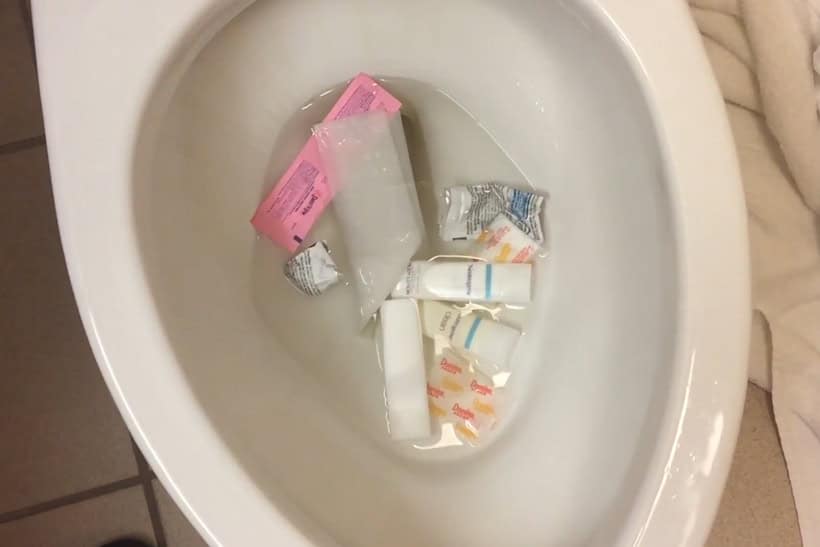
Flushing Non-Flushable Items: Items like flushable wipes, feminine hygiene products, cotton balls, paper towels, and disposable cloths don’t dissolve like toilet paper. Despite marketing claims, these can create severe blockages in your pipes. Stick to flushing only human waste and toilet paper to avoid this issue.
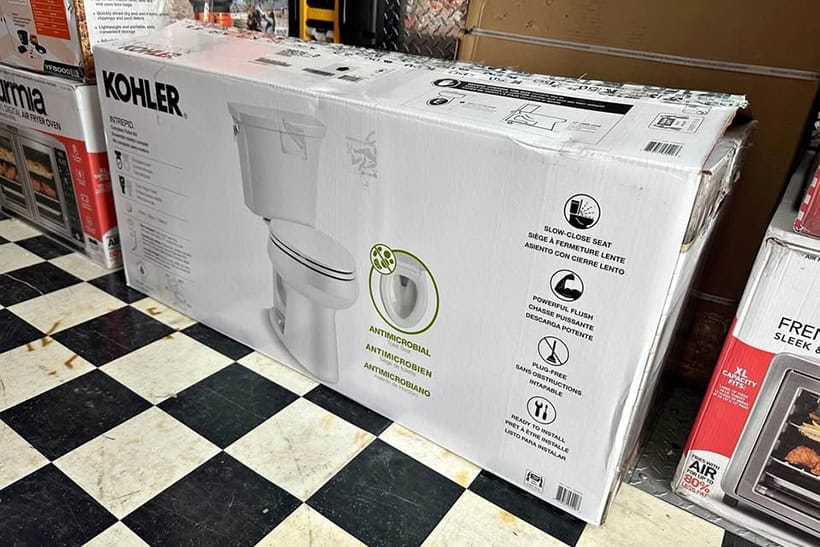
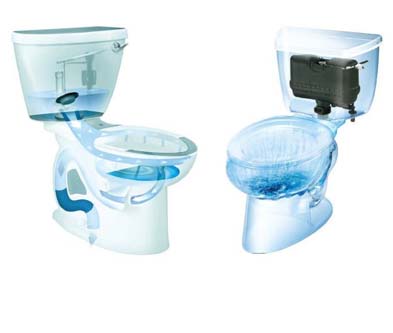
Low-Flow Toilet Limitations: Older low-flow toilets from the 1990s often lack the flushing pressure needed to clear waste effectively. Without strong flush power, material gets left behind, building up over time. Modern low-flow models have improved, but if yours is outdated, it could be the root of recurring clogs.
Tree Roots and Sewer Line Issues: Tree roots can intrude into underground pipes, causing sediment buildup and slow drains. Signs include gurgling sounds or frequent backups. This issue is more common in homes with large trees nearby and requires professional intervention.
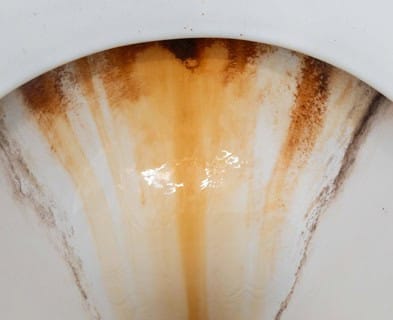
Mineral Deposits and Vent Obstructions: Hard water can lead to mineral buildup in the siphon jet or trap, reducing water flow. A clogged vent pipe can also disrupt air pressure, mimicking a clog.
Foreign Objects: Toys, pens, or other items accidentally flushed, often by children, can lodge in the trap or further down the line, trapping solids and causing repeated issues.
Inadequate Water Supply: Low water pressure from municipal issues or partially closed valves can weaken flushes, allowing waste to accumulate.
Choose toilet paper designed for septic systems. These varieties break down faster in water. Single-ply dissolves quicker than thick, quilted brands.
Use reasonable amounts per flush. If you need more paper than normal, flush first, then add more paper and flush again. This double-flush method prevents overwhelming your plumbing system.
Test your toilet paper by placing a few sheets in a jar of water. Shake vigorously for 10 seconds. Good toilet paper breaks apart completely.
How to Prevent Toilet Clogs: Top Tips
Prevention is key to keeping your toilet clog-free. By adopting mindful flushing habits and routine maintenance, you can minimize risks and extend the life of your plumbing. Here are proven tips, structured as a step-by-step guide for easy implementation:
1. Adopt Proper Flushing Habits
Please Don’t Do This to Your Toilet
Flush Only What Belongs: Remember the golden rule: only human waste and toilet paper go down the toilet. Avoid treating it like a garbage can. Provide wastebaskets in every bathroom to discourage flushing non-biodegradable items.
Reduce Toilet Paper Usage: Switch to 1-ply toilet paper or fold 2-ply for efficiency. Flush midway if needed during use to prevent overwhelming the system. Installing a bidet can drastically cut paper use while promoting better hygiene.
Educate Household Members: Talk to family, especially children, about what is flushable. This simple step can prevent foreign objects from causing blockages.
Complete Every Flush: Always allow the toilet to finish its full flush cycle before walking away. This bit of patience is to ensure all waste and toilet paper are given the maximum push to clear off the trapway and drain pipe, reducing the chance of partial blockages.
2. Perform Regular Toilet Maintenance
Periodical Toilet Inspection Helps to Detect Problem Early
Clean Routinely: Clean your toilet weekly to remove stuck waste and detect early issues like leaks or slow drains. Use vinegar for natural cleaning or a mild cleaner, followed by a flush test to ensure proper flow.
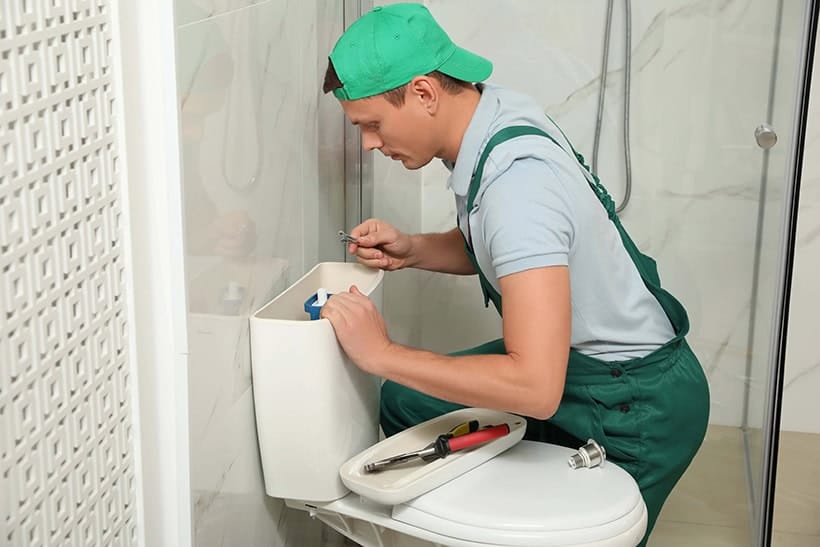
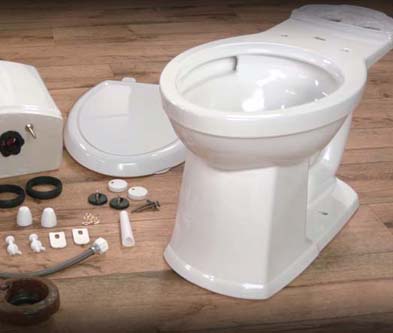
Inspect Components Every 6 Months: Check the tank, flapper, and valves for wear. Ensure the water level is adequate for strong flushes. Replace old parts to maintain flushing pressure.
Address Mineral Buildup: In hard water areas, pour a mixture of hot water and dish soap into the bowl monthly. Let it sit for 15-30 minutes before flushing to dissolve residue. Avoid frequent use of chemical drain cleaners, as they can corrode pipes or harm septic systems; reserve them for stubborn clogs when natural methods fail.
Keep Drain Pipes Clear: Avoid pouring grease or hair down any drains, as these can contribute to overall plumbing strain. Use tree root killers if roots are a concern, applied periodically as directed.
Monitor Water Usage: Ensure valves are fully open and reduce overall water waste to maintain consistent pressure.
4. Handle Minor Issues Promptly
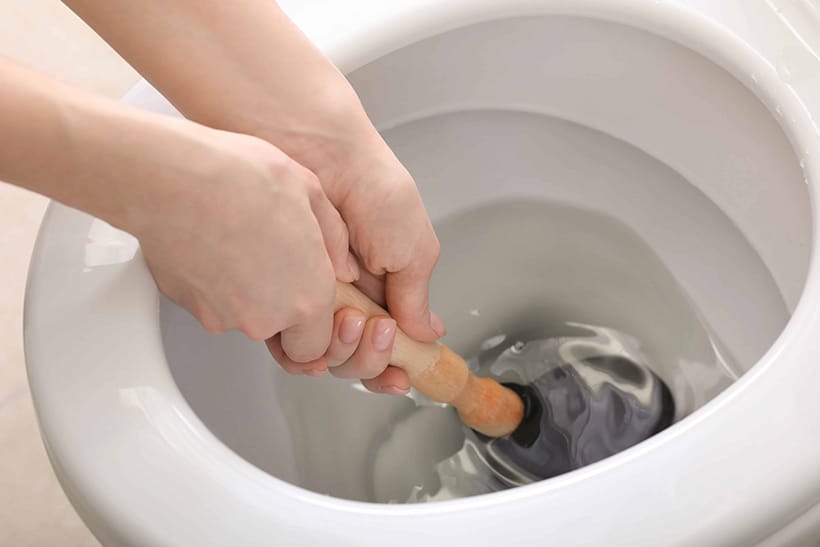
Use a Plunger Correctly: For occasional clogs, create a vacuum by angling the plunger and using firm, quick motions. This unplugging method can dislodge blockages without chemicals.
Try Natural Remedies: Baking soda and vinegar can foam away minor buildup. Pour in, let sit for 20 to 30 minutes, or longer for more stubborn clogs, then flush with hot water.
Snake When Needed: A toilet auger can reach deeper clogs that plungers miss, but use it carefully to avoid pipe damage.
When to Call a Professional Plumber
While DIY methods work for minor issues, persistent problems signal deeper concerns. If your toilet clogs weekly despite preventive measures, it could indicate sewer line blockages, tree root intrusion, or toilet vent issues. Signs include slow drains across the house, gurgling noises, or backups in multiple fixtures.
Don’t hesitate to call a plumber; they will have specialized equipment such as drain cameras to diagnose and fix the problem efficiently, saving you time and money in the long run.
Enjoy a Clog-Free Bathroom
Keeping your toilet clog-free doesn’t have to be complicated. By being mindful of what you flush, maintaining regular cleaning, and addressing potential issues early, you can avoid the hassle of clogs altogether.
Implement these strategies today for a more reliable plumbing system. If you’re facing ongoing problems, calling professional help is always a good or inevitable move. Take good care of the toilet, and in return, the toilet will take care of you!